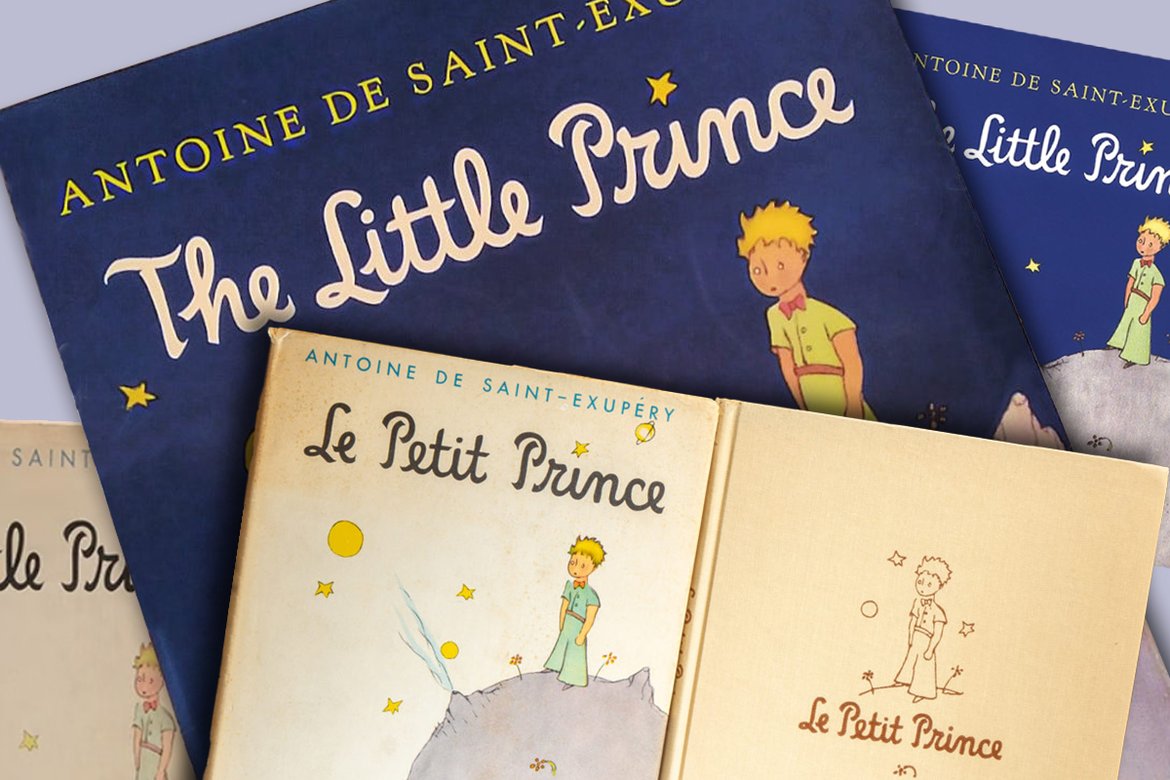
On 6 April 1943, Le Petit Prince, written by Antoine de Saint-Exupéry, was first published - a literary work that continues to resonate across cultures, languages, and generations. Beyond its poetic reflections on responsibility, friendship, and human nature, The Little Prince also offers a compelling lens through which to examine the operation of copyright law in France.
French copyright law contains distinctive features, including the so-called prorogations de guerre (wartime extensions), introduced to compensate authors whose works were affected by the disruption of the World Wars. In addition, French legislation grants an extended protection period of 30 years to authors officially recognised as having “died for France”. These provisions are particularly relevant in the case of Saint-Exupéry, who died in 1944 while serving in the French Air Force. As a result, the copyright in his works extends beyond the standard 70-year term and is expected to remain in force between 2033 and 2045, depending on the applicable calculations.
The continuing commercial and cultural value of The Little Prince is further reflected in trade mark protection. Over 50 European Union trade marks associated with the title are registered with the EUIPO by the Société pour l’Œuvre et la Mémoire d’Antoine de Saint-Exupéry - Succession Saint Exupéry - d’Agay. These layers of protection show how intellectual property preserves literary heritage across generations.
What is Copyright?
Copyright grants creators exclusive rights over their original works, including the rights to reproduce, distribute, and communicate them to the public. It applies broadly to literary works, music, photographs, films, software, databases, designs, and other original expressions of creativity. Importantly, copyright arises automatically upon creation, without the need for registration. Although there is no single, unified copyright title across the European Union, creators benefit from protection under the national laws of all Member States. Despite ongoing harmonisation efforts, differences remain between national systems.
Copyright in the Digital Era
The rapid evolution of digital technologies continues to challenge traditional copyright frameworks. Today, content can be created, reused, and disseminated globally with unprecedented ease, often through automated or AI-driven processes. In this environment, both creators and users must remain cautious in understanding their rights and obligations.
This shift also calls for innovative approaches to ensure that copyright continues to function effectively in the digital landscape, striking a balance between access, protection, and fair remuneration.
Under EU law, certain exceptions exist to copyright protection, including for text and data mining purposes. However, rights holders retain the ability to expressly reserve their rights against such uses, particularly for commercial purposes. This allows creators to maintain control over how their works are exploited or to license such uses on their own terms.
The Little Prince is more than a literary masterpiece - it is a powerful illustration of how intellectual property law evolves to protect creativity across time. From extended copyright terms shaped by historical events to modern trade mark strategies and digital challenges, the story of this iconic work reflects the dynamic nature of IP protection. As technology continues to reshape the creative landscape, the need to understand, adapt, and reinforce copyright frameworks remains essential to ensuring that creativity not only survives, but thrives for generations to come.
Article by Xenia Kasapi, Head of IP and data protection.